
Understanding Biblical Prophecy: Signs of the Times
Scripture is filled with prophetic passages that speak to both ancient Israel and the world today. Explore key prophecies and what they reveal about God''s unfolding plan.
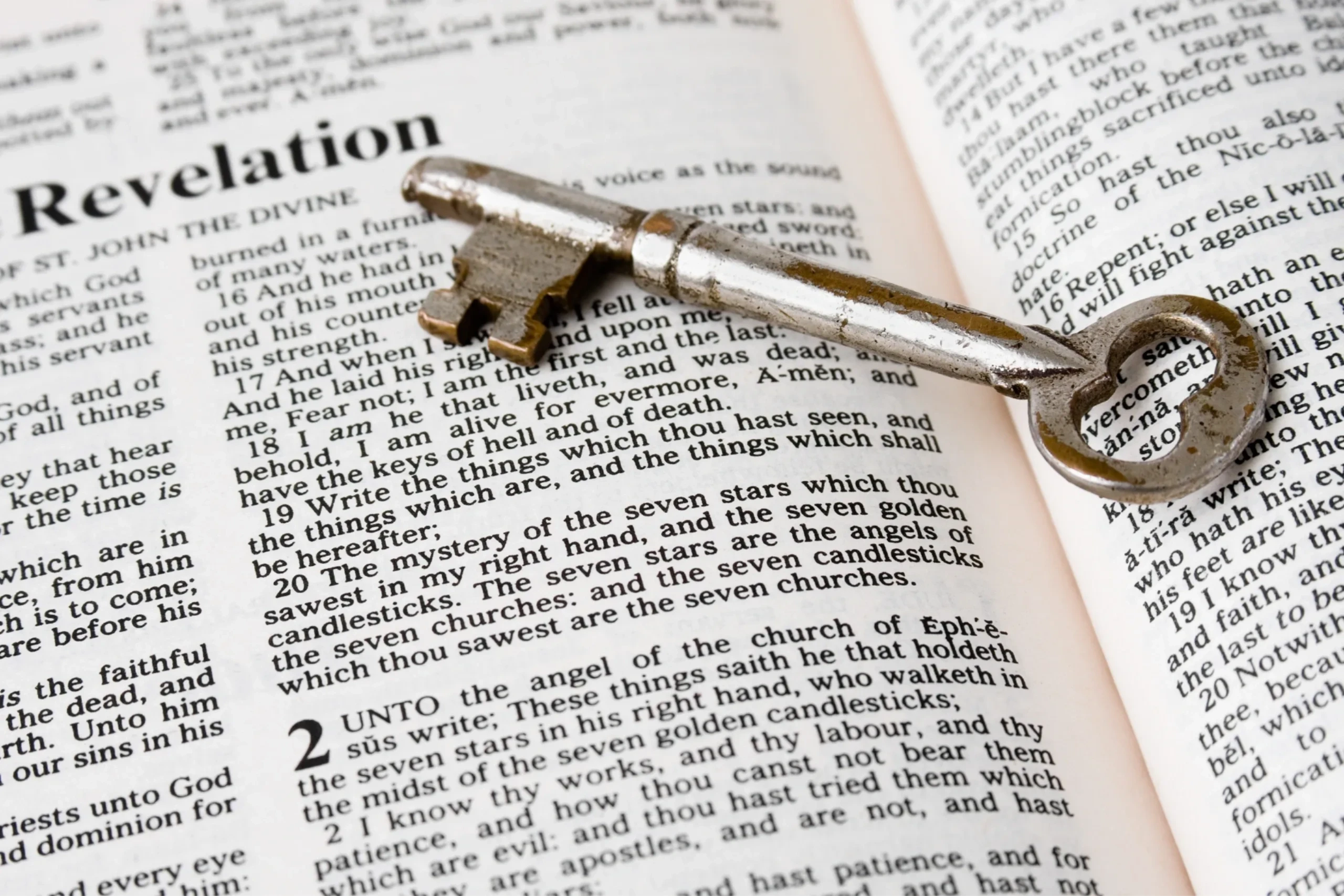
Understanding Biblical Prophecy: Signs of the Times
One of the most awe-inspiring aspects of the Bible is its prophetic nature. From Genesis to Revelation, God has consistently revealed His plans to His people before they unfold, not to frighten us, but to build our faith and anchor our hope.
"Surely the Lord God does nothing without revealing His secret to His servants the prophets." — Amos 3:7
What Is Biblical Prophecy?
Biblical prophecy is not merely prediction. It is God's communication to His people about His purposes, His character, and His redemptive plan. Some prophecies were fulfilled in the immediate historical context of the prophet. Others pointed forward to the coming of Christ. And still others speak to events yet to come.
Understanding prophecy requires humility. It is not a puzzle to be solved for personal curiosity, but a lamp to guide our walk with God in uncertain times.
The Book of Daniel: A Foundation for Prophetic Understanding
Daniel is perhaps the most foundational prophetic book in the Old Testament. Written during the Babylonian exile, it contains visions that span centuries of world history.
The Four Kingdoms (Daniel 2)
In Daniel 2, King Nebuchadnezzar dreams of a great statue made of different materials: gold, silver, bronze, iron, and clay. Daniel interprets this as representing four successive world empires: Babylon, Medo-Persia, Greece, and Rome. The stone that strikes the statue and fills the earth represents God's eternal kingdom.
This prophecy was written centuries before the rise of Persia, Greece, and Rome, and history confirms its accuracy in remarkable detail.
The Seventy Weeks (Daniel 9)
Daniel 9:24–27 contains one of the most precise prophetic timelines in all of Scripture. The "seventy weeks" prophecy points to the coming of the Messiah, His ministry, and His death, all calculated from a specific historical decree. Many scholars see this as one of the most compelling evidences for the divine inspiration of Scripture.
The Book of Revelation: Hope for the Church
Revelation is often approached with fear or confusion, but its opening words set the tone: "Blessed is the one who reads aloud the words of this prophecy" (Revelation 1:3). It is a book of blessing, not terror.
Written to seven real churches facing real persecution, Revelation uses symbolic language drawn from the Old Testament to communicate a central message: God wins. Christ reigns. His people are safe.
The Seven Churches (Revelation 2–3)
The letters to the seven churches are not just historical documents. They speak to patterns of spiritual life that recur in every generation. The church at Laodicea, lukewarm, self-sufficient, unaware of its spiritual poverty, is a warning that resonates deeply today.
The Return of Christ (Revelation 19–22)
The climax of Revelation is not the mark of the beast or the great tribulation. It is the return of Jesus Christ, the marriage supper of the Lamb, and the new creation. Prophecy ultimately points us not to fear, but to the person of Jesus.
How Should We Respond to Prophecy?
Understanding prophecy is not an end in itself. The purpose of prophetic Scripture is transformation.
1. It should deepen our trust in God. When we see how accurately God has fulfilled past prophecies, our confidence in His future promises grows.
2. It should motivate holy living. Peter asks, "Since all these things are to be dissolved, what sort of people ought you to be in lives of holiness and godliness?" (2 Peter 3:11).
3. It should fuel our witness. Knowing that time is short and that Christ is returning should give urgency to sharing the gospel with those around us.
A Word of Caution
Prophecy has been misused throughout church history, to set dates, to identify enemies, to justify division. We must approach it with the same spirit as the Bereans, who "received the word with all eagerness, examining the Scriptures daily to see if these things were so" (Acts 17:11).
The goal is not to have all the answers, but to know the One who does.
Conclusion
Biblical prophecy is one of God's greatest gifts to His people. It assures us that history is not random. It is moving toward a glorious conclusion under the sovereign hand of God. As you study the prophetic Word, let it draw you closer to Christ, the Alpha and Omega, the beginning and the end.
Have a question about a specific prophecy? Ask us here — we'd love to study it with you.
Explore Topics
Written by
Sure Bible Truth
Content creator and writer sharing insights and stories.
Have a Question About This Topic?
Submit your Bible question and receive a thoughtful, Scripture-grounded response. Questions like yours often inspire new articles that help many other readers.
Ask a Bible Question

